Full-Bore Cleaning With Hydro Jetting on Cape Cod
- Home
- Hydro Jetting
CAMERA FIRST. BARE METAL AFTER.
What Hydro Jetting Actually Does
A snake punches a hole through the clog. Hydro jetting washes the pipe clean — so if the same drain clogs twice a year, that's not bad luck. It's grease and scale still coating the walls, re-catching everything.
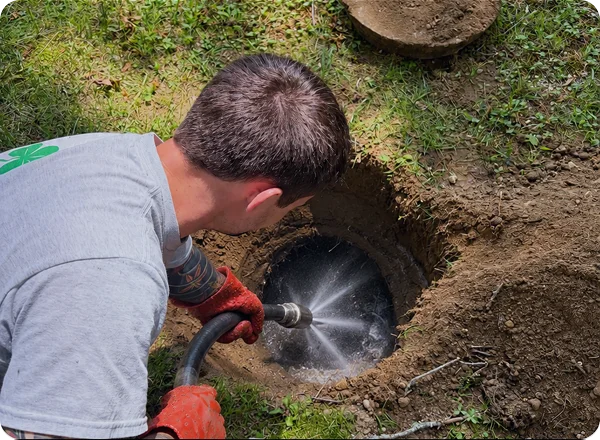
Think power washer for the inside of your sewer line: a nozzle fires jets backward to strip grease, scale and roots off the pipe walls, then pulls the debris back to the truck. Up to 4,000 PSI, 15–20 gallons a minute — and the camera goes down first, every time.
The result isn't a hole through the clog — it's pipe that flows like new. Jetting holds for years where snaking holds for weeks.
When Hydro Jetting Is the Right Fix
We diagnose the cause with a camera first, then use commercial-grade jetting equipment to fully clear lines that keep clogging.
-
Grease buildup in kitchen
-
Recurring clogs that come back after snaking
-
Tree root intrusion in sewer lines
-
Mineral or scale buildup in older pipes

When Jetting Beats Snaking — and When It Doesn't
Grease-coated kitchen lines
Jetting wins outright — a cable cannot scrape wax-hard grease off the crown of the pipe.
Seasonal Spring Openings
Ice and debris in seasonal home drains — jetting resets the line before summer.
Collapsed or Bellied Pipe
Where jetting does NOT go: pressure finds the weak point, so repair is the honest answer.
Camera First, No Exceptions
This check is why jetting is safe: the camera goes in first — every time, no exceptions.
Early Root Intrusion
Jetting shreds and flushes fresh root masses — then we watch the line on camera.
Recurring Clogs
Jetting clears the residue; snaking just re-enacts the clog.

Why Cape pipes are different
Why Cape Pipes Need Jetting — The Saltwater Factor
On the Lower and Outer Cape, sea water in the water table and old salt-water intrusion lines speed up scale and mineral buildup inside clay and iron pipes; sandy soils let joints settle until waste pools in a low section and catches everything. Grease from year-round kitchens hardens in winter's cold runs. Jetting is not a luxury fix here — for many Cape lines it is the only cleaning that reaches what a snake leaves behind.
How Often Should You Jet?
Year-round homes with trees over the line: every 18–24 months is cheap insurance. Kitchen-heavy houses or shared duplex laterals: yearly. If you would rather never think about it, ask us to put your line on the maintenance list — a short annual visit is the cheapest sewer repair you will ever skip-comparing.


Straight numbers
What Jetting Costs — And What Moves It
Residential jetting is quoted flat per job after we know access and run length. What moves the number: where (or whether) a cleanout exists, line length and diameter, how hard the buildup is, and whether you want the before/after camera record. It is more than a snake call and usually less than the second snake call you would have needed anyway — plus the repair you avoided by not jetting a line that should not have been jetted.
No shortcuts, by design.
Why Our Jetting Holds Longer

Camera Before Every Jet Run
We check for breaks and bellies before pressure goes in — no camera, no jet.

Flat Quote Before We Start
Price set from access and line length, on the estimate, in writing.

Pressure Dialed to Your Pipe Material
1930s clay runs gentler than PVC — the nozzle and PSI match what's down there.V

Flow Verified After
The run isn't done until water comes back clear to the truck — and you can watch it happen.
How We Jet
Camera scan
We confirm the line can safely take pressure. If it cannot, we tell you and route to repair instead of blowing out your pipe.
Access
We work through the cleanout or roof stack; if your home predates cleanouts, we set it up properly and leave you a permanent access point.
The Jet Run
Nozzle sized to the pipe diameter, pressure dialed to the material — old clay runs gentler than PVC — until the water running clear at the truck proves the pipe is clean.
Verify
After-camera where you want it, hard-flow test, and a written note of what the line looked like before and after — useful now and when you sell.
Have Any Question?
Can hydro jetting damage old pipes?
On sound pipe, no — pressure is dialed to the material, from 1930s clay to modern PVC. On a collapsed or broken line, yes, which is exactly why we camera first every time. If the line fails the scan, jetting is off the table and repair is the honest conversation.
Will jetting clear tree roots for good?
Jetting clears roots now and keeps them out months to years longer than snaking — but roots regrow toward the same water. Repeated root intrusions mean the joints are talking; camera tells you whether lining or replacement ends the argument.
Is hydro jetting the same as snaking?
No. Snaking cuts a hole through the blockage; jetting cleans the full pipe wall. That is why jet-drained pipes hold up longer — nothing sticky is left behind for the next clog to grab.
Do you jet in winter?
Yes — frozen-line clears on the Cape are a winter specialty, and the gear is built for it. If the ground allows access, the truck runs; if it is a main-line emergency, we triage by phone the moment you call.
Need Reliable Services? Call Curran 24/7!
Don't let unexpected problems disrupt your home or business. From routine maintenance to urgent service needs, Keren is ready to provide dependable help across Cape Cod.